BestPeopleDo
Start AI Match
Curricula/International Baccalaureate

International Baccalaureate schools

The de-facto international curriculum: 5,500+ schools across 160 countries, recognized by every major university worldwide. Strongest fit for families who want maximum university optionality and an academic culture that rewards breadth as much as depth.

Curriculum guide

What to know about the International Baccalaureate curriculum

The International Baccalaureate Diploma Programme (IBDP) is the dominant international curriculum for students aged 16-19 who don't yet know which country's universities they'll target. Born in Geneva in 1968 to serve diplomatic and UN families, it now runs at 5,500+ schools across 160 countries — and crucially, every major university system (US, UK, Canada, EU, Singapore, Australia) accepts it on first-class terms. For a Turkish family who isn't yet sure whether their child will study at Boğaziçi, Imperial, Stanford, ETH Zurich, or McGill — IB hedges all of those simultaneously.

The structure is broader than national curricula. Students take six subjects (three at Higher Level, three at Standard Level) spanning languages, humanities, sciences, mathematics, and arts. On top of that come three core requirements: Theory of Knowledge (a year-long epistemology course), the Extended Essay (a 4,000-word independent research paper), and CAS (Creativity, Activity, Service — minimum hours of extracurricular engagement). The total assessment is graded out of 45 points; 40+ is competitive at top universities, 38+ is solid for most Russell Group / strong US.

Compared to national curricula, IB Diploma is breadth-prioritized. UK A-Levels let students pick three subjects and go deep; AP lets students pick whatever they want. IB requires a science, a humanity, a language, and maths — every IB graduate is academically a generalist before they specialize at university. This is the real philosophical choice: do you want your 16-year-old to commit early (A-Levels, AP focus) or stay broad through to university (IB)?

Universities respond accordingly. UK universities convert IB to UCAS tariff points; Imperial / LSE / UCL routinely require 38-40 points with specific HL grades. US universities increasingly use IB scores in admissions decisions and credit-by-exam (Stanford, Harvard, MIT all give credit for HL 6/7 grades in specific subjects). Canadian universities (UofT, McGill, UBC) accept IB as their preferred international qualification. ETH Zurich and EU universities give the highest direct admission rates to IB graduates of any non-national curriculum.

Where IB struggles: students who need a more sequential, less self-directed approach. The Extended Essay and Theory of Knowledge components reward independent thinkers; for students who prefer structured exam-prep, A-Levels or AP can feel less stressful. IB workload is genuinely high — 6 subjects + EE + ToK + CAS leaves less weekly margin than A-Levels' 3-subject structure. We've had students transfer from IB to A-Levels mid-stream because the breadth was overwhelming; it works the other way too.

Where IB shines: students who haven't decided their university destination, multilingual students who can leverage Group 2 language credit, students with serious extracurricular commitments (CAS rewards rather than competes with sport/music/community work), and students from non-Anglophone schools who want fast onboarding into an international academic culture. Turkish students at strong Anadolu / Robert Lisesi who pivot to IB Diploma at age 16 typically do well — the academic depth was already there, IB just internationalizes the credential.

"I tell families: IB is the right answer when you don't yet know the right answer. If your child is committed to Oxbridge engineering, do A-Levels. If they're between Oxbridge, Stanford, ETH and Boğaziçi — pick IB and decide later."

Kevin Park · UK Boarding Specialist, London
Top schools

Best-rated International Baccalaureate schools in our catalogue

See all 47
Aiglon College — boarding school campus
AC
Verified · Apr 2026IBBritish
96
Villars-sur-Ollon, Switzerland

Aiglon College

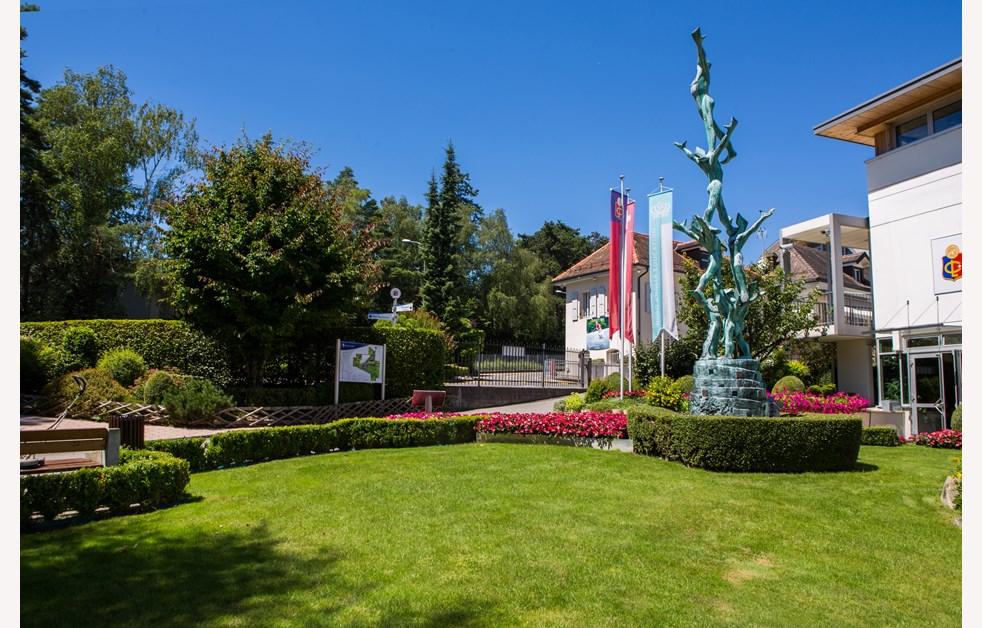
An iconic alpine boarding school combining rigorous IB academics, character education, and expedition-based learning above Lake Geneva.

Alpine outdoor programTop US/UK universitiesCharacter education
Ages918
TypeBoarding
AcceptanceHighly
Annual tuition
$92,000 – $138,000
View school
Institut Le Rosey — boarding school campus
IL
Verified · Apr 2026IBAP
95
Rolle, Switzerland

Institut Le Rosey

The world's most international school, with bilingual French/English IB and AP programs across two seasonal campuses on Lake Geneva and Gstaad.

Two seasonal campusesTrue bilingual educationOlympic-grade sport
Ages718
TypeBoarding
AcceptanceElite
Annual tuition
from $145,000
View school
Wellington College — boarding school campus
WC
Verified · May 2026BritishA-Level
94
Crowthorne, Berkshire, United Kingdom

Wellington College

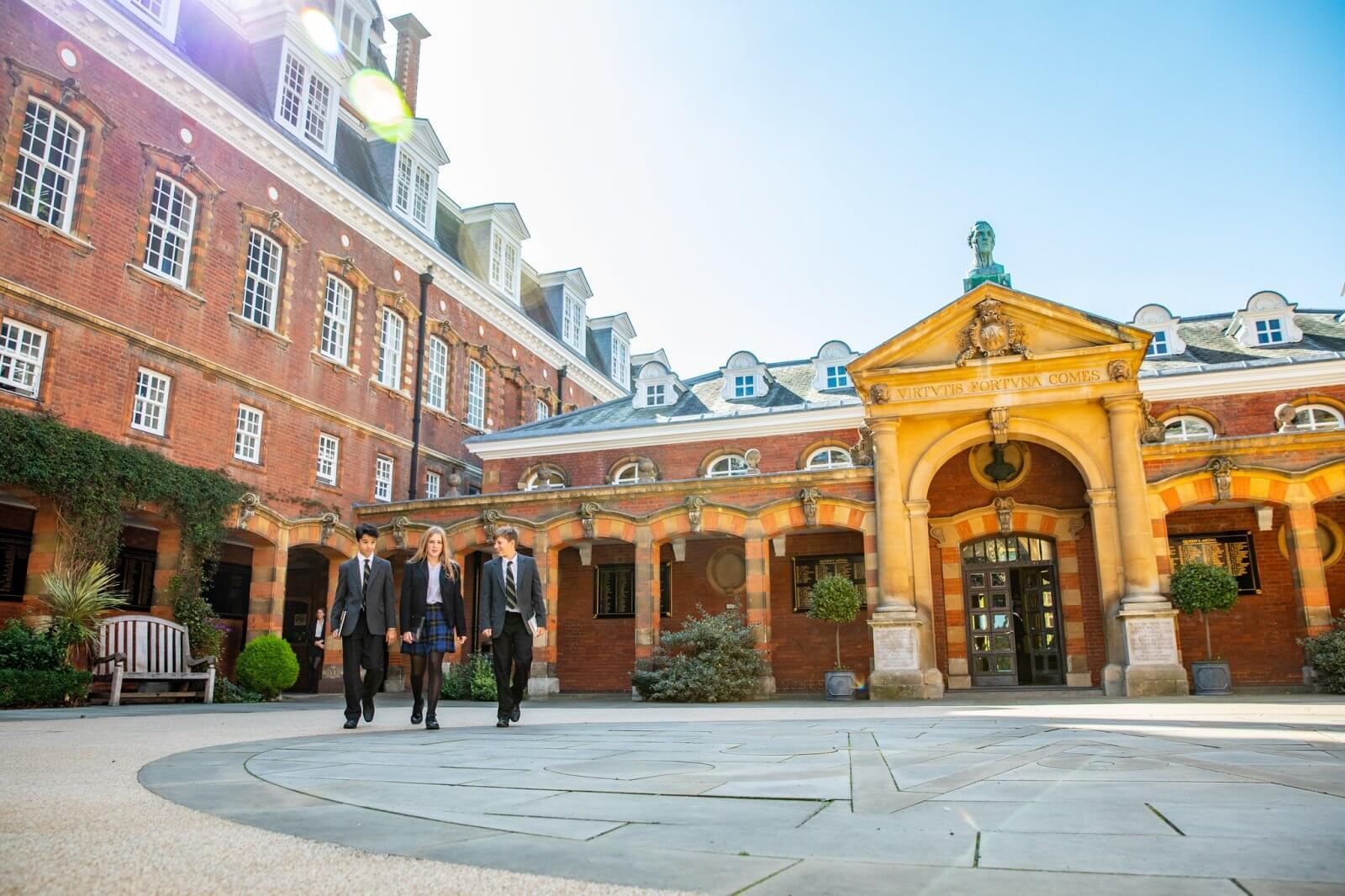
Co-ed boarding+day HMC school founded 1859 by Queen Victoria as a memorial to the Duke of Wellington — IB Diploma + A-Level, ~1,100 pupils on a 400-acre Berkshire campus.

Founded 1859 by Queen Victoria as Duke of Wellington memorialOne of the largest IB Diploma cohorts in the UK400-acre Berkshire campus
Ages1318
TypeBoarding
AcceptanceHighly
Annual tuition
$58,000 – $80,000
View school
Cheltenham Ladies' College — boarding school campus
CL
Verified · May 2026BritishA-Level
94
Cheltenham, Gloucestershire, United Kingdom

Cheltenham Ladies' College

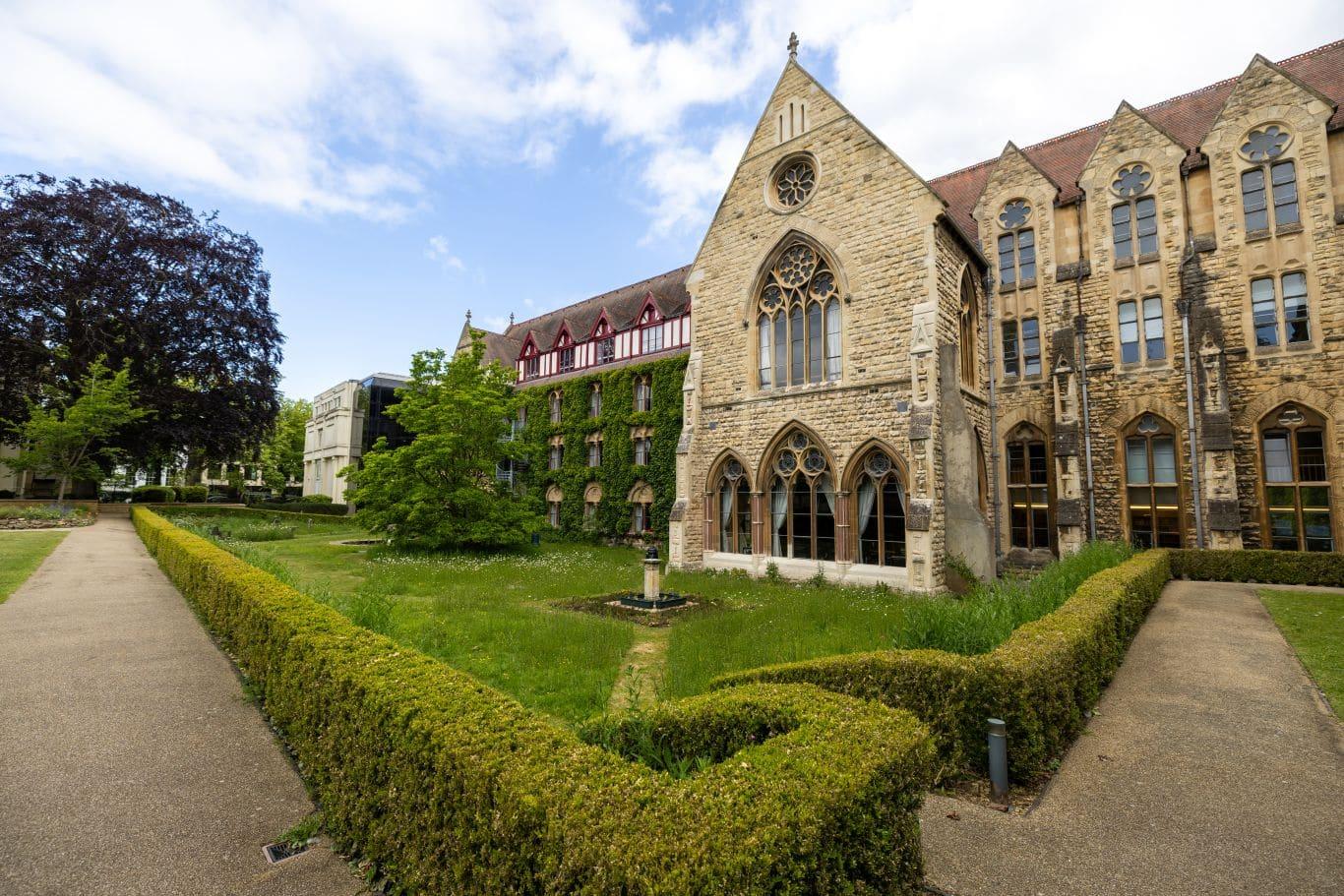
Founded 1853 — one of England's most prestigious all-girls boarding+day schools, A-Level + IB Diploma, ~870 pupils aged 11-18 in central Cheltenham.

Founded 1853 — one of England's first girls' boarding schoolsAll-girls 11-18 with 11 boarding housesA-Level + IB Diploma both at sixth form
Ages1118
TypeBoarding
AcceptanceHighly
Annual tuition
$55,000 – $80,000may vary
View school
Charterhouse — boarding school campus
C
Verified · May 2026BritishA-Level
93
Godalming, Surrey, United Kingdom

Charterhouse

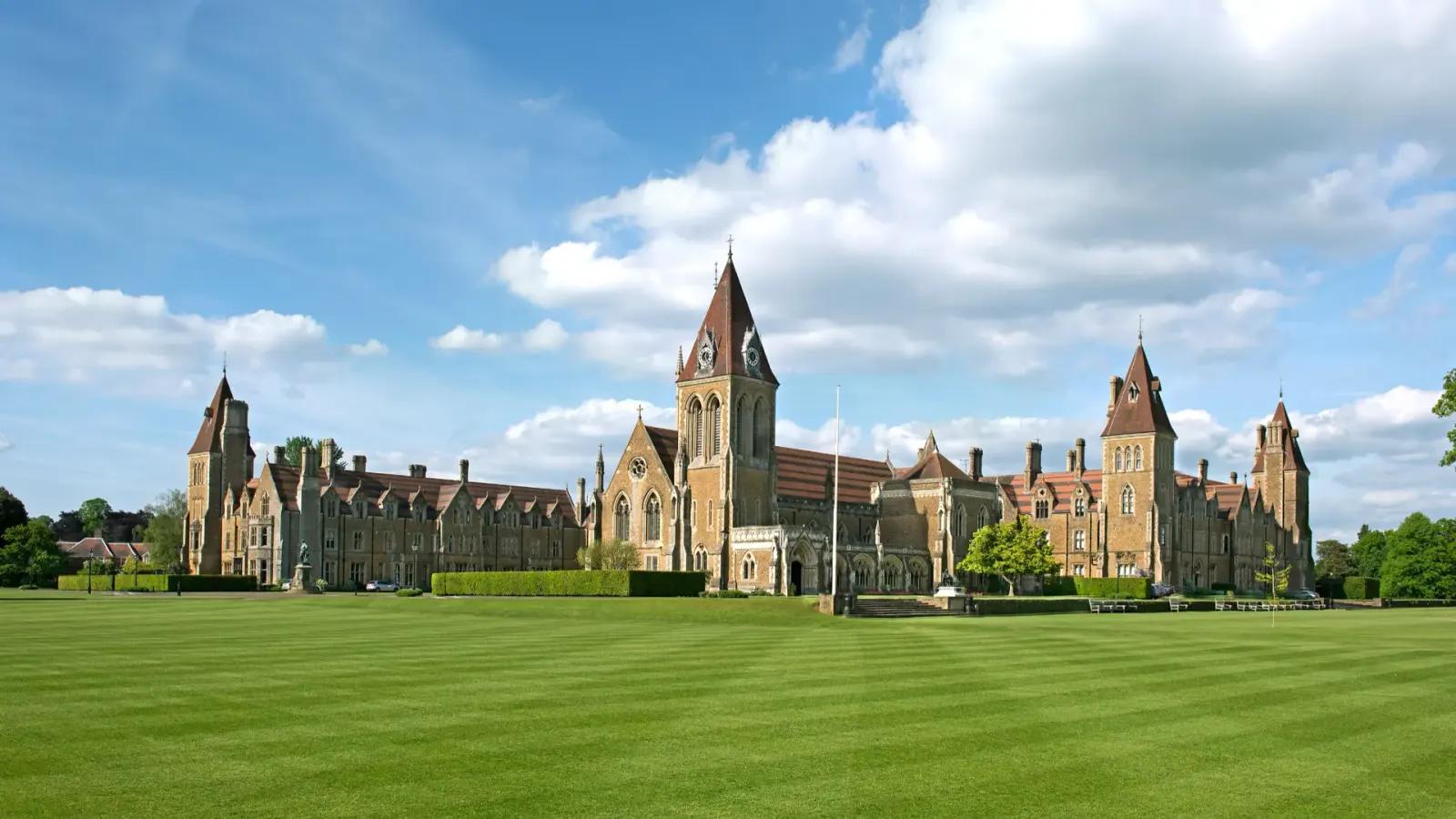
Founded 1611 in London and moved to a 250-acre Surrey campus in 1872 — boarding-led HMC school running IB Diploma alongside A-Level, fully co-ed since 2021.

Founded 1611 — one of the great original nine English public schools250-acre Surrey estate (moved from London in 1872)IB Diploma + A-Level both offered at sixth form
Ages1318
TypeBoarding
AcceptanceHighly
Annual tuition
$65,000 – $90,000may vary
View school
Brighton College — boarding school campus
BC
Verified · May 2026BritishA-Level
93
Brighton, East Sussex, United Kingdom

Brighton College

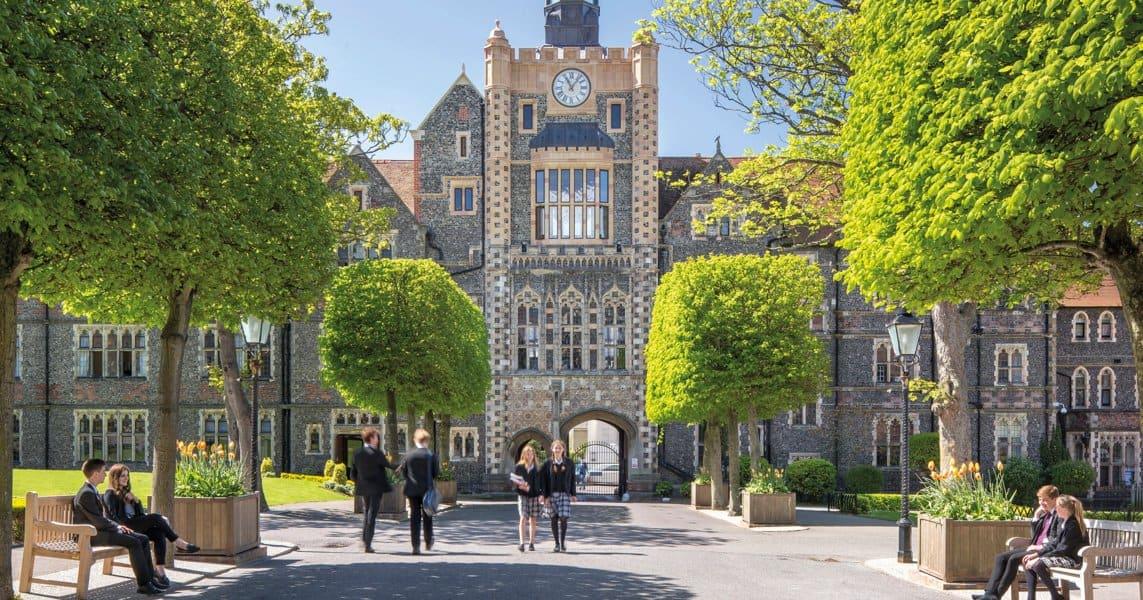
Founded 1845 in Brighton, named The Sunday Times 'School of the Decade' — co-ed day+boarding, A-Level + IB Diploma, ~1,450 pupils ages 3-18.

Sunday Times 'School of the Decade' 2024 for academic resultsTop Oxbridge offer rate in UK independent sectorA-Level + IB Diploma at sixth form
Ages318
TypeBoarding
AcceptanceHighly
Annual tuition
$13,000 – $75,000
View school
École Jeannine Manuel Paris — boarding school campus
ÉJ
Verified · May 2026FrenchIB
92
Paris, France

École Jeannine Manuel Paris

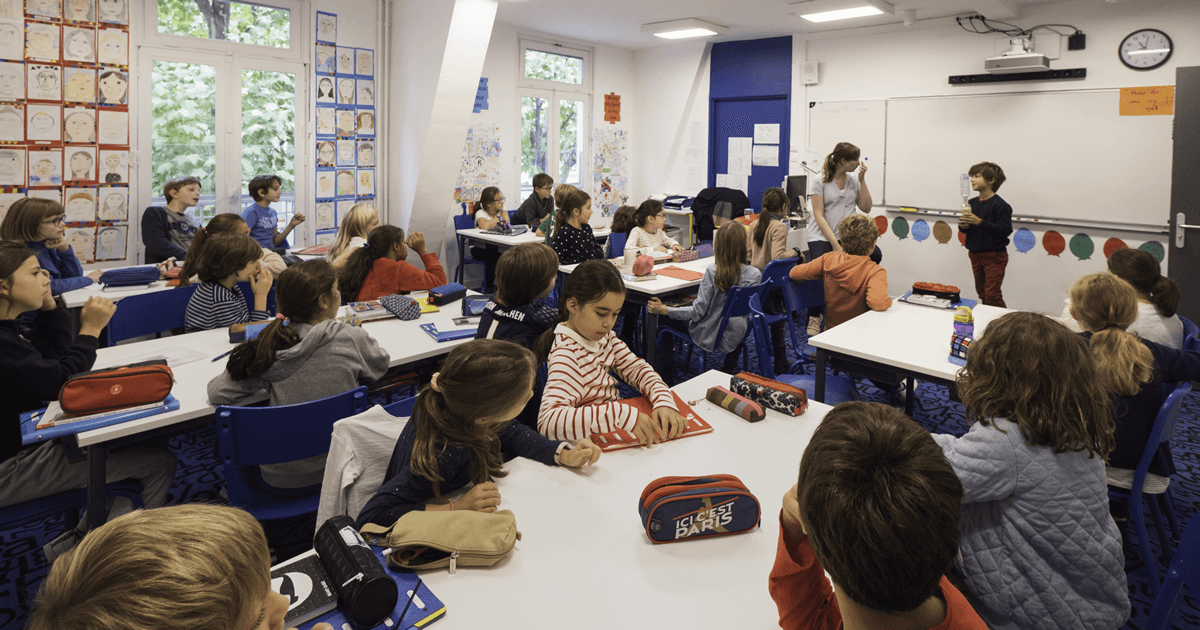
Founded 1954 by Jeannine Manuel — France's leading bilingual French-English co-ed day school, ~2,000 students ages 3-18, French Baccalauréat + IB Diploma + Foundation Year.

Founded 1954 — France's first bilingual French-English co-ed schoolFrench Bac + IB Diploma + IGCSE + International Foundation Year~2,000 pupils from 70+ nationalities
Ages318
TypeDay
AcceptanceHighly
Annual tuition
$11,000 – $27,000
View school
Fettes College — boarding school campus
FC
Verified · May 2026BritishA-Level
91
Edinburgh, United Kingdom

Fettes College

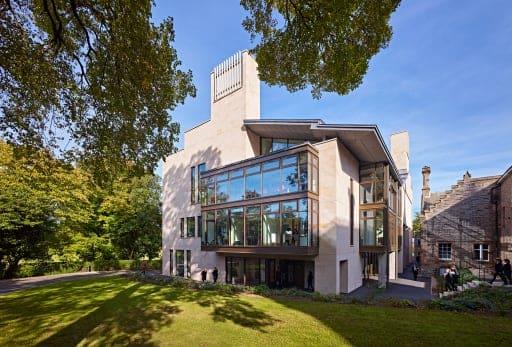
Edinburgh's flagship co-ed boarding+day school, founded 1870 in a Grade A-listed Scott Bryce building — A-Level + IB Diploma, ~800 pupils ages 7-18.

Founded 1870 — Edinburgh's flagship boarding schoolGrade A-listed Bryce building on 100-acre city campusA-Level + IB Diploma at sixth form (rare in Scotland)
Ages718
TypeBoarding
AcceptanceHighly
Annual tuition
$55,000 – $80,000may vary
View school
TASIS The American School in Switzerland — boarding school campus
TT
Verified · May 2026AmericanAP
88
Montagnola, Lugano, Switzerland

TASIS The American School in Switzerland

The first American boarding school founded in Europe (1956) — a 740-pupil day+boarding campus in Lugano, American Diploma + AP + IB Diploma, 63 nationalities.

First American boarding school founded in Europe (1956)American Diploma + AP + IB Diploma at sixth form740 students from 63 nationalities
Ages319
TypeBoarding
AcceptanceSelective
Annual tuition
$25,000 – $120,000
View school
Collège du Léman — boarding school campus
CD
Verified · Apr 2026IBFrench
88
Geneva, Switzerland

Collège du Léman

A multilingual Geneva school with French, English, and bilingual tracks, plus IB, French Bac, and US High School Diploma options for 2,000+ students.

Four diploma tracksMultilingual cohortStrong sport academies
Ages218
TypeBoarding
AcceptanceSelective
Annual tuition
from $68,000
View school
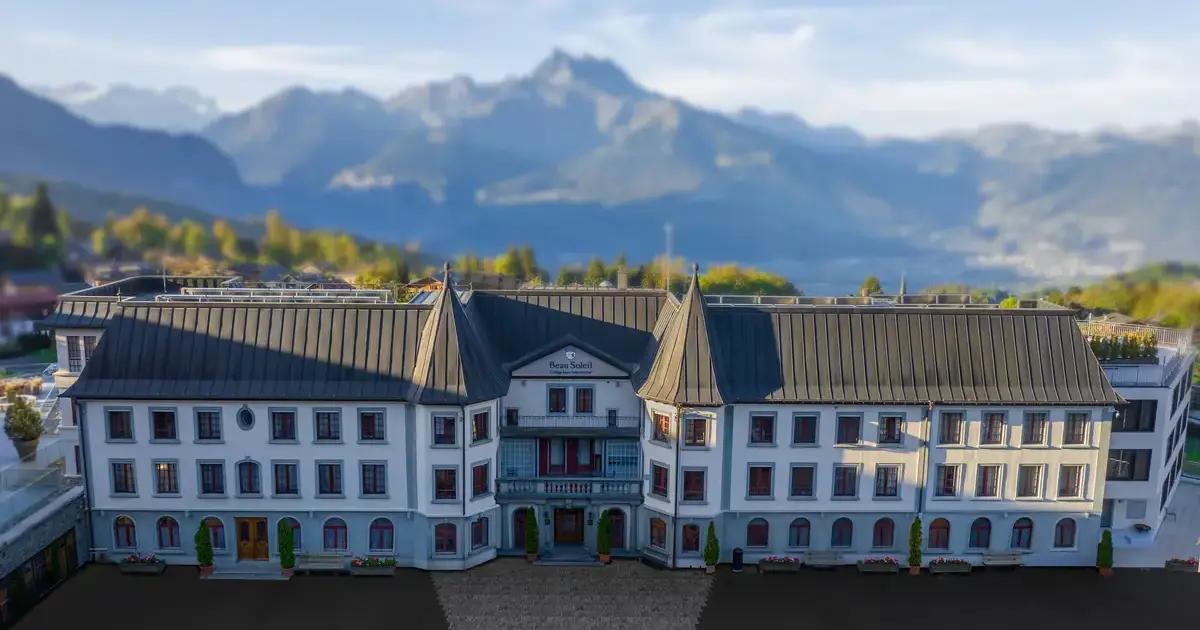
Collège Alpin International Beau Soleil — boarding school campus
CA
Verified · May 2026IB
88
Villars-sur-Ollon, Switzerland

Collège Alpin International Beau Soleil

A 110-year-old alpine boarding school above Lake Geneva, combining IB Diploma rigour with one of Switzerland's strongest expedition and mountain-life programmes.

Alpine expedition programme (weekly skiing + multi-day treks)Average IB score 36Small 300-student cohort
Ages1118
TypeBoarding
AcceptanceHighly
Annual tuition
$150,000 – $205,000
View school
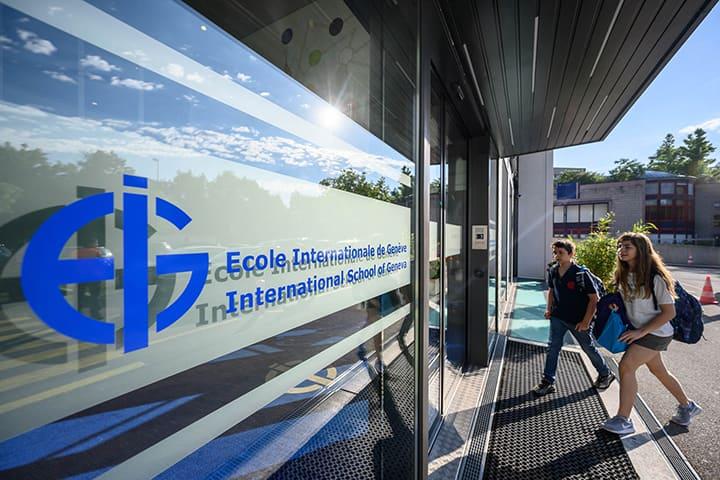
Ecole Internationale de Genève (Ecolint) — boarding school campus
EI
Verified · May 2026IBFrench
88
Geneva, Switzerland

Ecole Internationale de Genève (Ecolint)

The world's first international school, founded 1924 — three Geneva campuses, roughly 4,500 students from 140 nationalities, full IB Continuum and IB Diploma.

World's first international school — founded 1924 to serve the League of NationsBirthplace of the IB (developed at Ecolint in 1968)140+ nationalities — largest IB cohort globally
Ages318
TypeDay
AcceptanceSelective
Annual tuition
$22,000 – $39,000
View school
Frequently asked

FAQ — International Baccalaureate curriculum

Is IB harder than A-Levels?

Different kind of hard. A-Levels concentrate on 3 subjects in depth; IB spreads across 6 subjects + 3 core components (EE, ToK, CAS). Aggregate hours per week are roughly comparable but IB has less margin for falling behind in any single subject. Top IB scores (40+) and top A-Level grades (A*A*A*) are statistically similarly competitive. The harder question is fit — a student who loves three subjects deeply may find A-Levels more enjoyable; a student who wants to keep options open finds IB more satisfying.

How do US universities convert IB scores?

Top US universities don't convert; they read IB transcripts on first-class terms alongside SAT/ACT and school recommendations. HL 7s in challenging subjects (Math AA, Physics, Chemistry, English Lit) are read as equivalent to AP 5s. Many US universities give college credit for HL 6/7 — Stanford, MIT, Harvard, Yale, Princeton all have published policies; check each university's IB credit page. The rule of thumb: IB Diploma at 38-40+ with HL 7s in target-major subjects is genuinely competitive at top-30 US universities.

Should my child do IB if they're targeting Boğaziçi or other Turkish universities?

Turkish universities accept IB Diploma — Boğaziçi, METU, Koç, Bilkent all have published IB policies. The conversion table maps IB total scores to YKS-equivalent ranks. The catch: Turkish students applying to Turkish universities via the IB route must still meet residency / Turkish-language proficiency requirements. For students who want to apply both internationally AND to Turkish top-tier universities, IB is the curriculum that does both — but plan the dual application timeline 12-18 months out.

What's the difference between IB Diploma and IB Career-related Programme (CP)?

IB Diploma is the academic track most international families choose. IB Career-related Programme (IBCP) is a younger sibling — the same core (ToK, EE-equivalent project, service) plus career-related courses (business, hospitality, design, etc.) instead of the full 6-subject academic spread. IBCP is rare in our dataset and accepted at fewer universities. For most families considering IB, default to the Diploma unless there's a specific career-track reason.

How do I know which schools in our catalogue offer real IB Diploma vs IB-light?

Every school in our IB filter is an IB World School authorized for the Diploma Programme. The variance across IB schools is in academic rigor, IB cohort size, and average IB score outcomes. Top-cohort IB schools (Sevenoaks, Branksome Hall, Aiglon, College du Leman) publish average IB scores of 36-40+. Mid-cohort schools cluster around 32-34. We surface the school's average IB score on the detail page when published, and the advisor call confirms current cohort performance.

Is the Extended Essay really 4,000 words? How do students survive that?

Yes, 4,000 words on an independent research question chosen by the student in any IB subject. It's spread across 18 months of guided supervision — research, drafting, revision, viva voce. For students who've never written extended-form research, it's the single hardest IB component. For students who have (or who want to learn before university), it's the most rewarding. Our advisor team reviews EE topics during the Year 11 conversation; choosing the right question matters more than the eventual word count.

Can my child switch from national curriculum to IB at age 16?

Possible, but plan it carefully. Direct entry to IB Year 1 (DP1) at age 16-17 from a non-IGCSE / non-MYP background works for academically strong students with solid English. The risks are: (1) language demand in Group 1 (English Literature) and Group 3-4 essay subjects, (2) lab science prerequisites in HL Sciences if previous schooling didn't cover lab work, (3) maths curriculum gaps between the national track and IB Math AA / AI standards. Most schools we work with offer 6-week summer bridging programmes; some require pre-DP foundation year for late switchers.

Cost: are IB schools more expensive than non-IB schools?

Slightly. IB authorization, teacher training, and exam fees add operational cost — most IB schools price 5-15% above otherwise-comparable national-curriculum schools. The exam fees alone are USD 200-300 per HL/SL subject, paid in DP2. Build it into the annual budget. The flip side: IB-only schools have invested specifically in the IB experience — IB-light schools that 'also offer IB' sometimes feel like a bolted-on track. Choose schools where IB is the primary or co-primary curriculum.

More reading on International Baccalaureate

Advisor AI Match