BestPeopleDo
Start AI Match
Curricula/A-Level

A-Level schools

The world's most subject-specialized sixth-form qualification — three subjects studied to near-undergraduate depth across two years. The gold standard for UK university admission and increasingly accepted at top US, Canadian, and Asian universities.

Curriculum guide

What to know about the A-Level curriculum

A-Levels (Advanced Level qualifications) are the dominant UK sixth-form qualification, taken by roughly 300,000 students annually across the UK and another 150,000+ internationally. Originally designed in 1951 as the post-secondary academic qualification feeding into UK universities, A-Levels have evolved into a globally recognized credential that universities in the UK, US, Canada, Asia, and Türkiye accept on first-class terms.

The structure is the defining feature: students typically take 3 subjects (sometimes 4) in Years 12-13 (age 16-18). Each subject is studied for ~360 hours over the two years and assessed primarily by end-of-course exams. There's no breadth requirement — a student can take Maths, Further Maths, and Physics; or History, English Literature, and Politics; or any other combination they want. This concentration is the entire point: A-Levels reward depth in chosen disciplines rather than breadth across many.

Compared to IB Diploma (6 subjects + Theory of Knowledge + Extended Essay + CAS), A-Levels are leaner. Compared to American AP (pick-and-mix from many courses), A-Levels are more concentrated. The trade-off is locked-in commitment at age 16: you choose your A-Level subjects when you choose your sixth-form school, and switching mid-stream is genuinely disruptive. For students who already know what they want to study, A-Levels concentrate effort efficiently. For students still discovering their interests, A-Levels' early specialization can feel constraining.

Universities use A-Level offers as the primary admissions currency in the UK. Oxbridge typically requires A*A*A or A*AA in subject-specific combinations. Imperial Engineering: A*A*A with A* in Maths and Physics. LSE Economics: A*A*A. UCL: typically AAA-A*AA depending on course. The published 'standard offers' from each university are the floor; competitive applicants typically score above the offer.

International recognition: US Ivy and top-30 universities accept A-Levels with substantial credit (Harvard, Yale, MIT, Stanford, Princeton all publish A-Level credit policies — typically 8-12 college credit hours per A grade). Canadian universities accept A-Levels as the primary international credential. Singapore (NUS, NTU), Hong Kong (HKU), Australian universities, and Türkiye's competitive universities all accept A-Levels on first-class terms.

The A-Level syllabus has evolved significantly in the last decade. The 'AS Level' (an interim qualification taken at end of Year 12) was largely decoupled from final A-Level grades in 2017+, making A-Levels purely two-year linear courses with terminal exams. Some schools still offer AS as a midpoint assessment; others skip it entirely. The reform aimed to depth the academic challenge — and largely succeeded; A-Level top grades (A*) are now harder to achieve than they were in the 2010s.

Subject choices matter enormously. Some combinations are 'facilitating' for top universities: Maths + Further Maths + Physics for STEM; Maths + Economics + a third for finance; History + English Literature + a third for humanities. Others narrow university options unintentionally — combinations heavy in 'soft' subjects (Media Studies, Sociology, Photography alone) limit Russell Group admission unless paired with at least one rigorous traditional subject.

"The A-Level decision parents underestimate is subject choice. Choosing Maths + Further Maths + Physics keeps every UK engineering door open. Choosing History + Politics + English Lit closes them. Get this conversation right at age 14 — not 16."

Kevin Park · UK Boarding Specialist, London
Top schools

Best-rated A-Level schools in our catalogue

See all 26
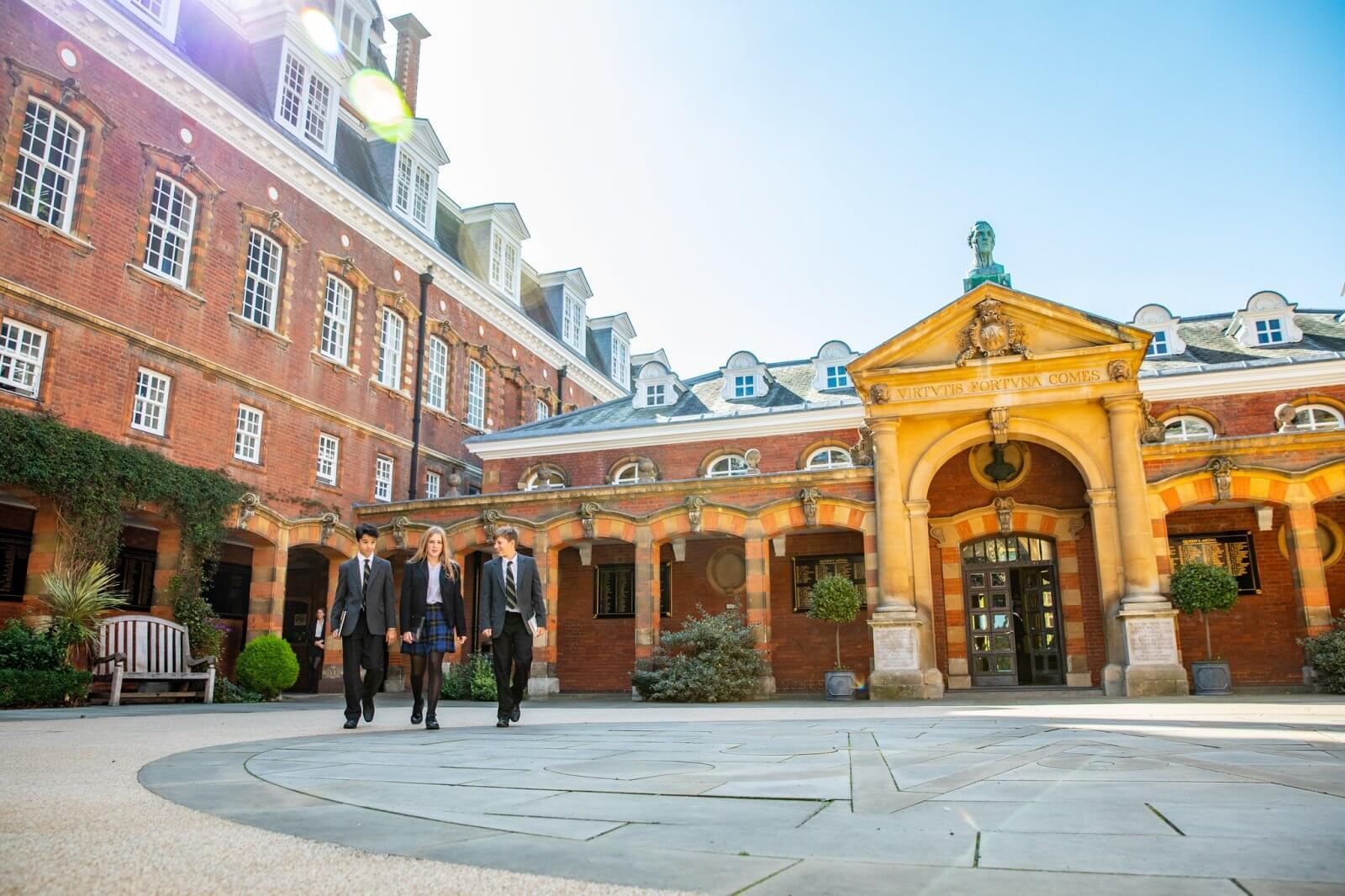
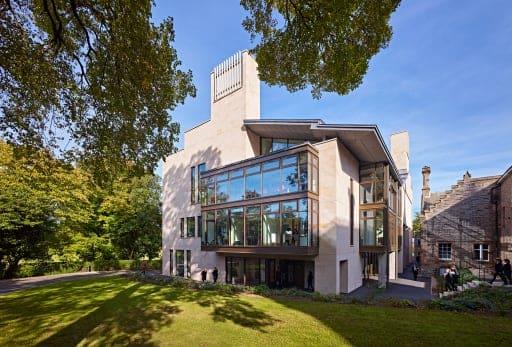
Westminster School — boarding school campus
WS
Verified · May 2026BritishA-Level
95
London, United Kingdom

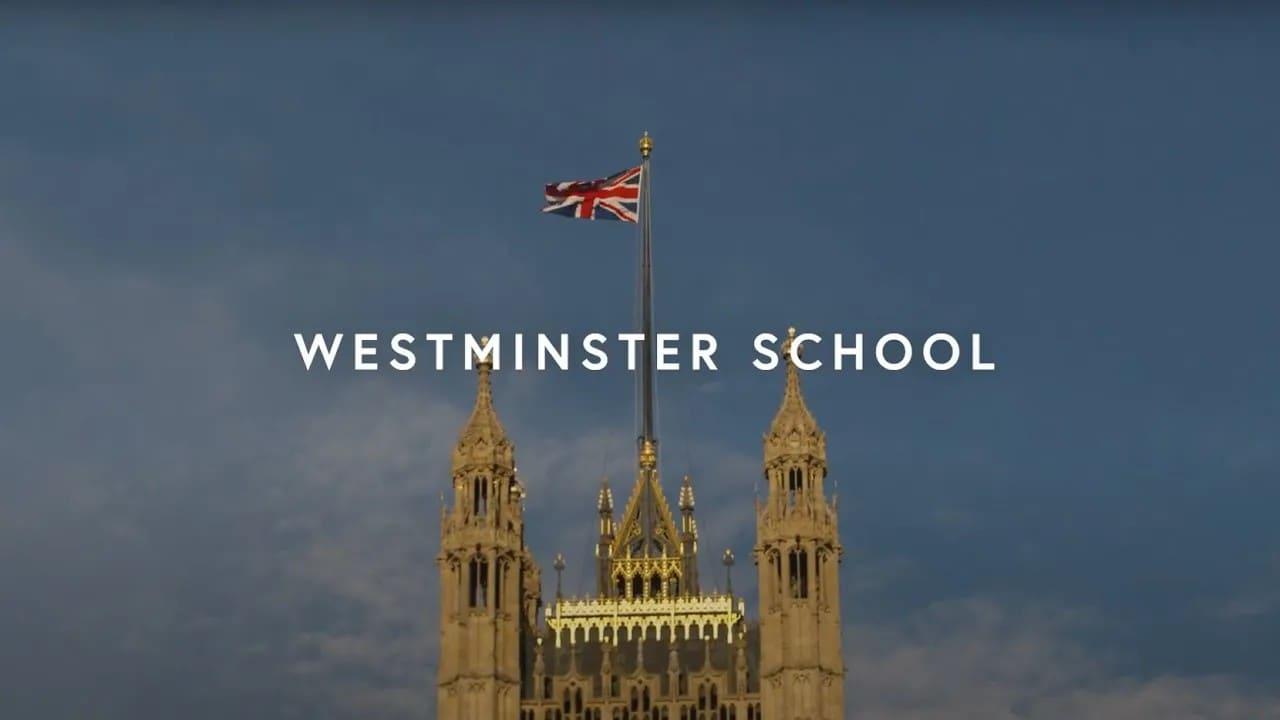
Westminster School

A 12th-century day+boarding school in the precincts of Westminster Abbey — A-Level with one of UK independent education's strongest STEM departments, ~750 pupils ages 13-18, consistent Oxbridge/Ivy outcomes.

Founded 1179 — among the oldest schools in continuous operationAdjacent to Westminster Abbey and ParliamentA-Level with one of the strongest UK STEM departments
Ages1318
TypeBoarding
AcceptanceHighly
Annual tuition
$55,000 – $95,000may vary
View school
Wellington College — boarding school campus
WC
Verified · May 2026BritishA-Level
94
Crowthorne, Berkshire, United Kingdom

Wellington College

Co-ed boarding+day HMC school founded 1859 by Queen Victoria as a memorial to the Duke of Wellington — IB Diploma + A-Level, ~1,100 pupils on a 400-acre Berkshire campus.

Founded 1859 by Queen Victoria as Duke of Wellington memorialOne of the largest IB Diploma cohorts in the UK400-acre Berkshire campus
Ages1318
TypeBoarding
AcceptanceHighly
Annual tuition
$58,000 – $80,000
View school
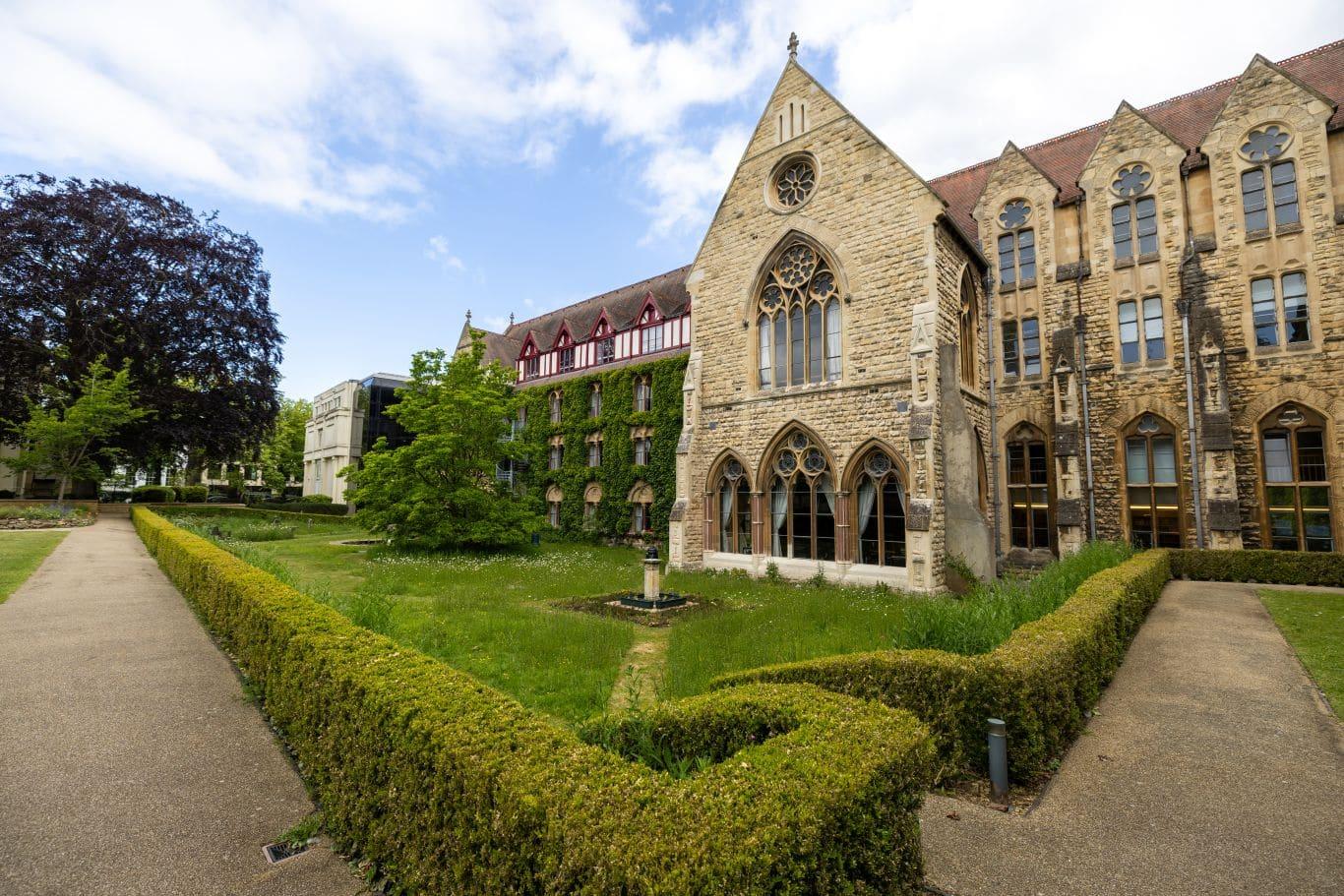
Cheltenham Ladies' College — boarding school campus
CL
Verified · May 2026BritishA-Level
94
Cheltenham, Gloucestershire, United Kingdom

Cheltenham Ladies' College

Founded 1853 — one of England's most prestigious all-girls boarding+day schools, A-Level + IB Diploma, ~870 pupils aged 11-18 in central Cheltenham.

Founded 1853 — one of England's first girls' boarding schoolsAll-girls 11-18 with 11 boarding housesA-Level + IB Diploma both at sixth form
Ages1118
TypeBoarding
AcceptanceHighly
Annual tuition
$55,000 – $80,000may vary
View school
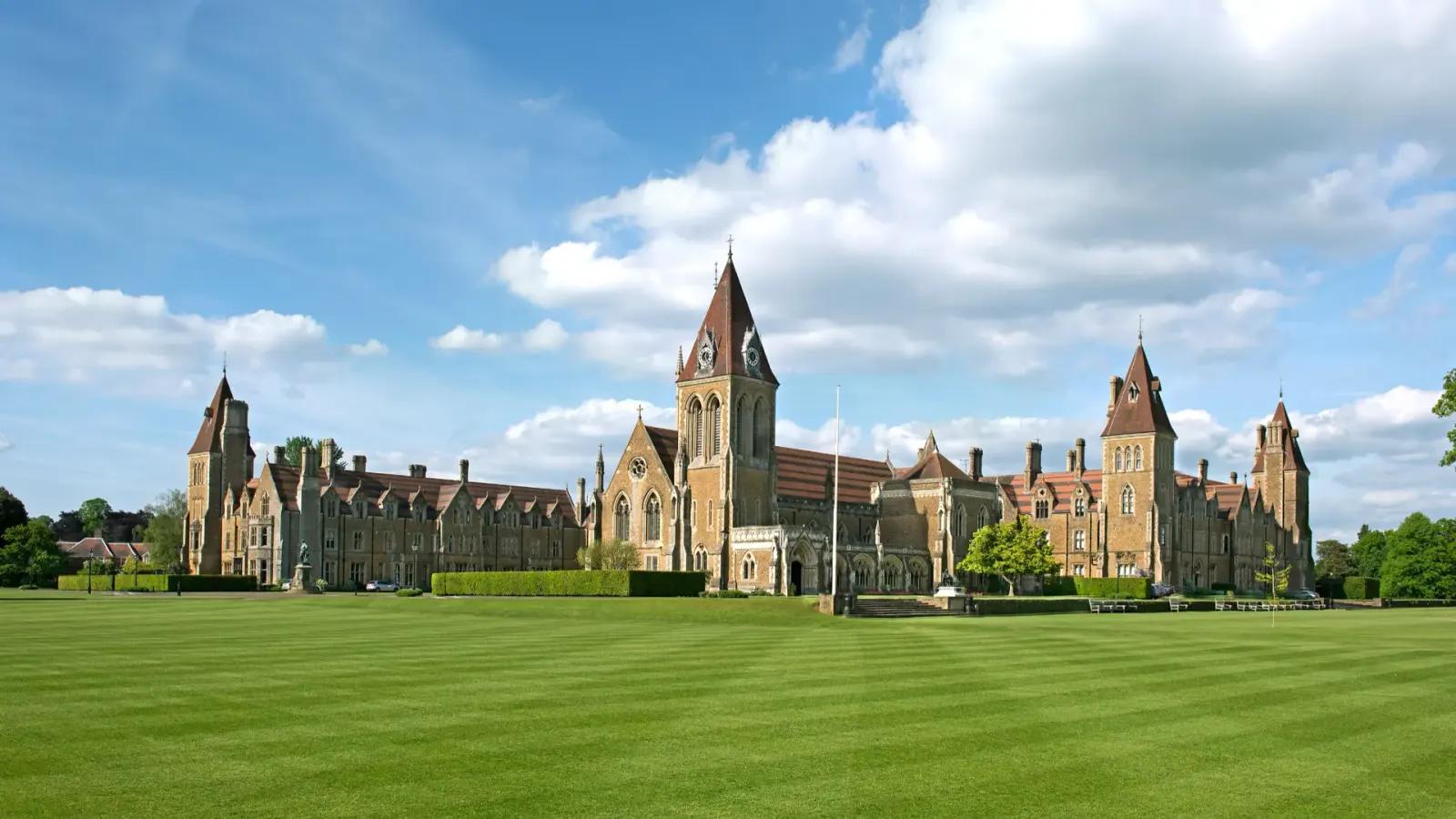
Charterhouse — boarding school campus
C
Verified · May 2026BritishA-Level
93
Godalming, Surrey, United Kingdom

Charterhouse

Founded 1611 in London and moved to a 250-acre Surrey campus in 1872 — boarding-led HMC school running IB Diploma alongside A-Level, fully co-ed since 2021.

Founded 1611 — one of the great original nine English public schools250-acre Surrey estate (moved from London in 1872)IB Diploma + A-Level both offered at sixth form
Ages1318
TypeBoarding
AcceptanceHighly
Annual tuition
$65,000 – $90,000may vary
View school
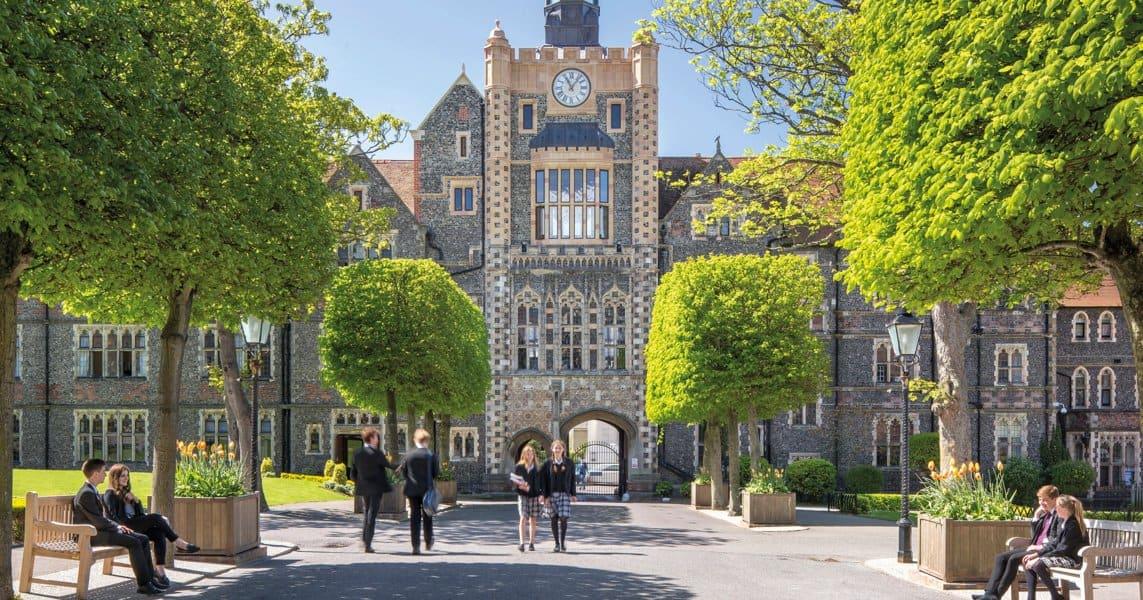
Brighton College — boarding school campus
BC
Verified · May 2026BritishA-Level
93
Brighton, East Sussex, United Kingdom

Brighton College

Founded 1845 in Brighton, named The Sunday Times 'School of the Decade' — co-ed day+boarding, A-Level + IB Diploma, ~1,450 pupils ages 3-18.

Sunday Times 'School of the Decade' 2024 for academic resultsTop Oxbridge offer rate in UK independent sectorA-Level + IB Diploma at sixth form
Ages318
TypeBoarding
AcceptanceHighly
Annual tuition
$13,000 – $75,000
View school
Godolphin and Latymer School — boarding school campus
GA
Verified · May 2026BritishA-Level
93
Hammersmith, London, United Kingdom

Godolphin and Latymer School

Founded 1905 in Hammersmith — one of London's most selective all-girls day schools, A-Level only, ~800 pupils ages 11-18 with consistent Oxbridge/Russell-Group placement.

Founded 1905, Hammersmith LondonAll-girls day, ~800 pupilsHighly selective London admissions
Ages1118
TypeDay
AcceptanceHighly
Annual tuition
$38,000 – $45,000
View school
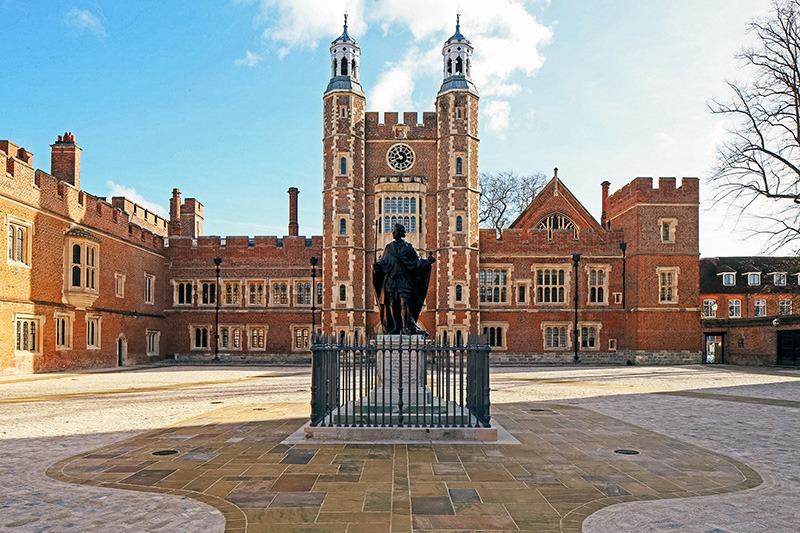
Eton College — boarding school campus
EC
Verified · Apr 2026A-LevelBritish
92
Windsor, United Kingdom

Eton College

England's most storied boys' boarding school: a community of 1,300 boarders pursuing intellectual rigor and creative excellence on a 400-acre campus.

Oxbridge & Ivy pipelineIconic traditionStrong creative arts
Ages1318
TypeBoarding
AcceptanceElite
Annual tuition
from $76,000
View school
Marlborough College — boarding school campus
MC
Verified · May 2026BritishA-Level
92
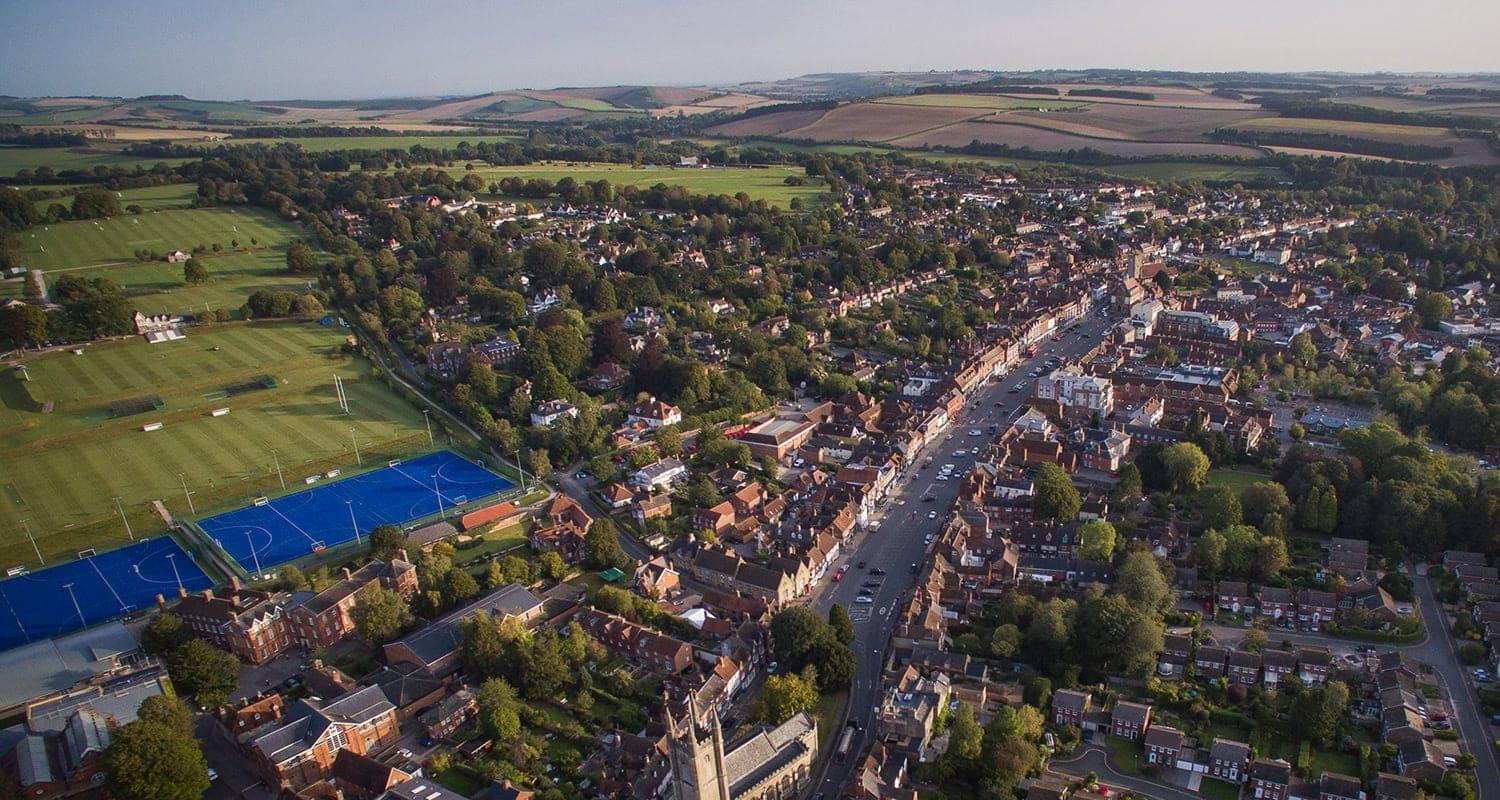
Marlborough, Wiltshire, United Kingdom

Marlborough College

Founded 1843 — co-ed boarding+day HMC school, ~970 pupils on a historic Wiltshire campus, A-Level + Pre-U with verified fees published per term.

Founded 1843 in Marlborough, WiltshireFully co-educational since 1989970 pupils — predominantly boarding
Ages1318
TypeBoarding
AcceptanceHighly
Annual tuition
$62,000 – $80,000
View school
Harrow School — boarding school campus
HS
Verified · Apr 2026A-LevelBritish
91
London, United Kingdom

Harrow School

A 400-year tradition of boys' full-boarding education on the edge of London, with a tutorial system designed around individual aspiration.

Full-boarding onlyOxbridge tutorial systemStrong drama and music
Ages1318
TypeBoarding
AcceptanceElite
Annual tuition
from $78,000
View school
Fettes College — boarding school campus
FC
Verified · May 2026BritishA-Level
91
Edinburgh, United Kingdom

Fettes College

Edinburgh's flagship co-ed boarding+day school, founded 1870 in a Grade A-listed Scott Bryce building — A-Level + IB Diploma, ~800 pupils ages 7-18.

Founded 1870 — Edinburgh's flagship boarding schoolGrade A-listed Bryce building on 100-acre city campusA-Level + IB Diploma at sixth form (rare in Scotland)
Ages718
TypeBoarding
AcceptanceHighly
Annual tuition
$55,000 – $80,000may vary
View school
Oundle School — boarding school campus
OS
Verified · May 2026BritishA-Level
91
Oundle, Northamptonshire, United Kingdom

Oundle School

Founded 1556 — co-ed boarding+day, ~1,100 pupils ages 11-18, A-Level + EPQ with one of the strongest engineering/design programmes in UK independent schools.

Founded 1556 — among the oldest English schools in continuous operation1,100 pupils, ~85% boardingCo-educational since 1990
Ages1118
TypeBoarding
AcceptanceHighly
Annual tuition
$50,000 – $78,000
View school
Stowe School — boarding school campus
SS
Verified · May 2026BritishA-Level
90
Stowe, Buckinghamshire, United Kingdom

Stowe School

Founded 1923 in the Grade I-listed Stowe House on a 750-acre Capability Brown estate — co-ed boarding+day, A-Level + Pre-U + EPQ, ~870 pupils.

Stowe House — Grade I-listed 18th-century Vanbrugh country house750-acre Capability Brown gardens (National Trust)Founded 1923, fully co-educational
Ages1318
TypeBoarding
AcceptanceHighly
Annual tuition
$55,000 – $80,000may vary
View school
Frequently asked

FAQ — A-Level curriculum

How many A-Levels should my child take?

Three is standard and sufficient for almost all UK universities, including Oxbridge. Four is ambitious and typically taken by students aiming at competitive STEM courses where multiple subjects are prerequisites (Engineering: Maths + Further Maths + Physics + a fourth like Chemistry). Adding a fourth A-Level for the sake of headcount dilutes effort and grades — universities want depth, not quantity.

Which A-Level subjects are 'facilitating' for top universities?

Russell Group universities (the UK's research-intensive top tier) consider these subjects as facilitating: Mathematics, Further Mathematics, English Literature, Physics, Biology, Chemistry, History, Geography, Languages (modern + classical). Combinations heavy in these signal academic seriousness. At least one facilitating subject is generally expected for competitive applications.

AS Level — does it still exist and matter?

AS Level still exists as an optional interim qualification, but most UK schools have stopped offering it as a separate certification — the curriculum is now linear over 2 years with terminal A-Level exams. AS grades from 2017+ generally don't count toward final A-Level grades. Some international schools still award AS as a Year 12 milestone. Universities care about final A-Level grades, not AS.

How do US universities convert A-Levels to college credit?

Top US universities publish A-Level conversion tables. Typical: A* in an A-Level grants 8 college credit hours; A grants 6; B grants 4. Equivalent to advanced standing — a student can sometimes start US university with sophomore standing and skip 1-2 semesters. Harvard, Yale, MIT, Stanford, Princeton, Columbia all have published A-Level policies (check each university's admission page).

A-Levels vs IB Diploma — which is harder?

Different shapes of difficulty. A-Levels go deeper in fewer subjects (3 subjects to roughly first-year university depth). IB Diploma covers more breadth (6 subjects + ToK + EE + CAS). For a STEM-focused student, A-Levels can feel more rewarding (you go deep into Math, Physics, Chemistry without the time-share with humanities). For an all-rounder, IB feels more natural. Both are competitive at top global universities.

Pre-U as an alternative to A-Levels?

Pre-U (Cambridge Pre-University Diploma) is offered at a small number of UK schools — Eton, Charterhouse, Westminster, North London Collegiate, Oundle — as a more research-heavy alternative to A-Levels. Universities accept it equivalently. The main practical difference: Pre-U has more independent research and an 'Independent Research Report' component, suiting students who'd thrive in research-style assessment. For most A-Level schools, the A-Level vs Pre-U decision isn't yours — schools offer one or both, and the school admissions team guides which suits each student's profile.

How does the recent VAT change in 2025 affect A-Level boarding cost?

From January 2025, UK independent schools became subject to 20% VAT on tuition. Most schools absorbed part of the cost and passed roughly 12-18% increase to families. A top boarding school's tuition + boarding rose from roughly £55-60k to £62-68k. International student fees were affected similarly. Confirm 2026-27 fees in writing before committing — pricing has settled but inflation pressure remains.

Can a Turkish student start A-Levels at 16+ entry without prior IGCSE?

Possible but tight. UK boarding schools typically expect IGCSE or equivalent (Turkish high-school diploma at strong subject grades + IELTS 6.5+) for direct A-Level entry at 16. Some schools offer one-year foundation programmes that bridge from non-British curricula into A-Level Year 12. Schools like Bromsgrove, Mill Hill International, ACS Cobham accept this profile most easily. Plan a foundation year if your child arrives at age 16 without IGCSE preparation.

More reading on A-Level

Advisor AI Match